本文目录导读:
- What is a W Wheat淀粉 Machine?
- How Does a W Wheat淀粉 Machine Work?
- Applications of W Wheat淀粉 Machine
- Conclusion
在 modern food processing industries, the use of special machinery is essential for optimizing the efficiency and quality of production processes. One such piece of machinery that stands out in these settings is the wheat淀粉 machine, a device that plays a crucial role in converting starch from grains into valuable bio-based feedstocks. This article will delve into the details of this machine, its applications, and its importance in the food industry.
What is a W Wheat淀粉 Machine?
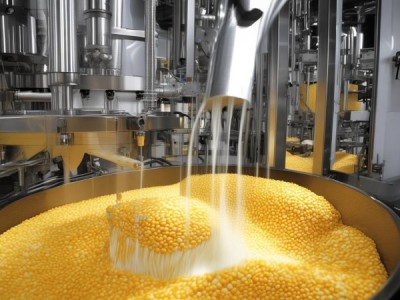
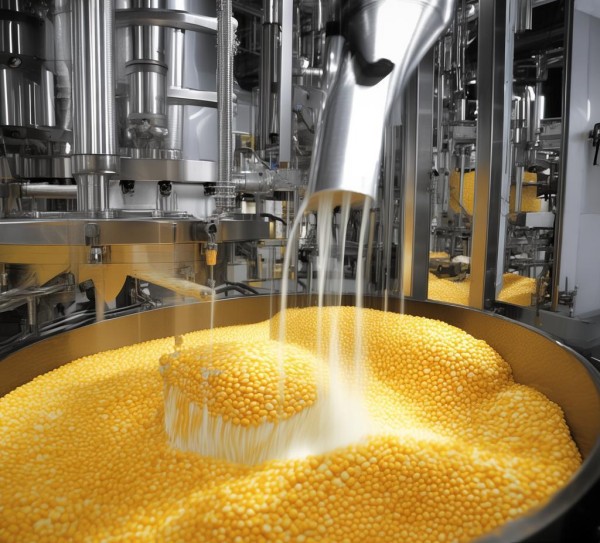
The wheat淀粉 machine is a specialized piece of food processing machinery designed to convert starch from wheat grains into a valuable raw material used in food production. This process is crucial for the food industry because it allows for the production of high-quality, bio-based feedstocks that are environmentally friendly and sustainable.
The machine typically includes a series of stages where the starch is processed and refined into a usable form. These stages may include:
- Starch Blower: A high-pressure water system that circulates through the starch bed, ensuring efficient extraction of starch from the grain.
- Starch Bed: A medium-sized bed of starch grains, where the starch is extracted and processed.
- Starch Refiner: A device that converts starch into a more soluble form, such as a starch derivative or a single-chain compound.
- Grubber Formulator: A component that is used to formulate the final product, ensuring it meets specific nutritional and taste requirements.
How Does a W Wheat淀粉 Machine Work?
The operation of a wheat淀粉 machine begins with the preparation of the starch bed. The starch grains are carefully selected and dispersed in a fine bed to ensure even extraction. The starch bed is then fed into the starch blower, which applies high-pressure water to the starch grains, creating a hydrodynamic action that facilitates the removal of starch.
Once the starch is extracted, it is transported through the starch refiner, which may involve a variety of chemical treatments. These treatments can include hydrolysis, oxidation, or other transformations to improve the solubility and bioavailability of the starch. The refined starch is then fed into the grubber formulation, which is used to create the final product.
The output of the machine is typically a single-chain compound, such as wheat bran or a modified form of it. This compound is then mixed with other ingredients, such as proteins, vitamins, and other nutrients, to form the final food product.
Applications of W Wheat淀粉 Machine
The wheat淀粉 machine has a wide range of applications in the food industry. Some of the key applications include:
- Food Processing: The machine is widely used in the food industry to process starch from grains into bio-based feedstocks. This is particularly important in developing countries where the use of wheat-based feedstocks is limited due to the lack of access to modern machinery.
- Grubber Formulation: The machine is also used to formulate the final product, ensuring that it meets specific nutritional and taste requirements. This is especially important in the food industry, where the goal is to produce high-quality, nutritious foods that meet global standards.
- Research and Development: The machine is used in research to study the properties of different starches and to develop new formulations. This is particularly important in the development of sustainable and eco-friendly food products.
- International Trade: In international trade, the use of wheat淀粉 machines has become more common due to the increasing demand for bio-based feedstocks. This has also contributed to the global shift towards more sustainable food production practices.
Conclusion
The wheat淀粉 machine is an essential tool in the food industry, enabling the production of high-quality, bio-based feedstocks that are environmentally friendly and sustainable. Its importance lies in its ability to improve efficiency, reduce costs, and enhance the quality of food products. As the food industry continues to evolve, the use of such specialized machinery will become even more critical. By optimizing the use of wheat淀粉 machines, food producers can reduce their carbon footprint and contribute to a more sustainable future.
In summary, the wheat淀粉 machine is a powerful tool that plays a vital role in the food industry. Its applications are vast, ranging from basic food processing to advanced research and development. By leveraging the capabilities of this machine, food producers can create high-quality, nutritious, and sustainable foods that meet the growing demand for them.